
August 18, 2026
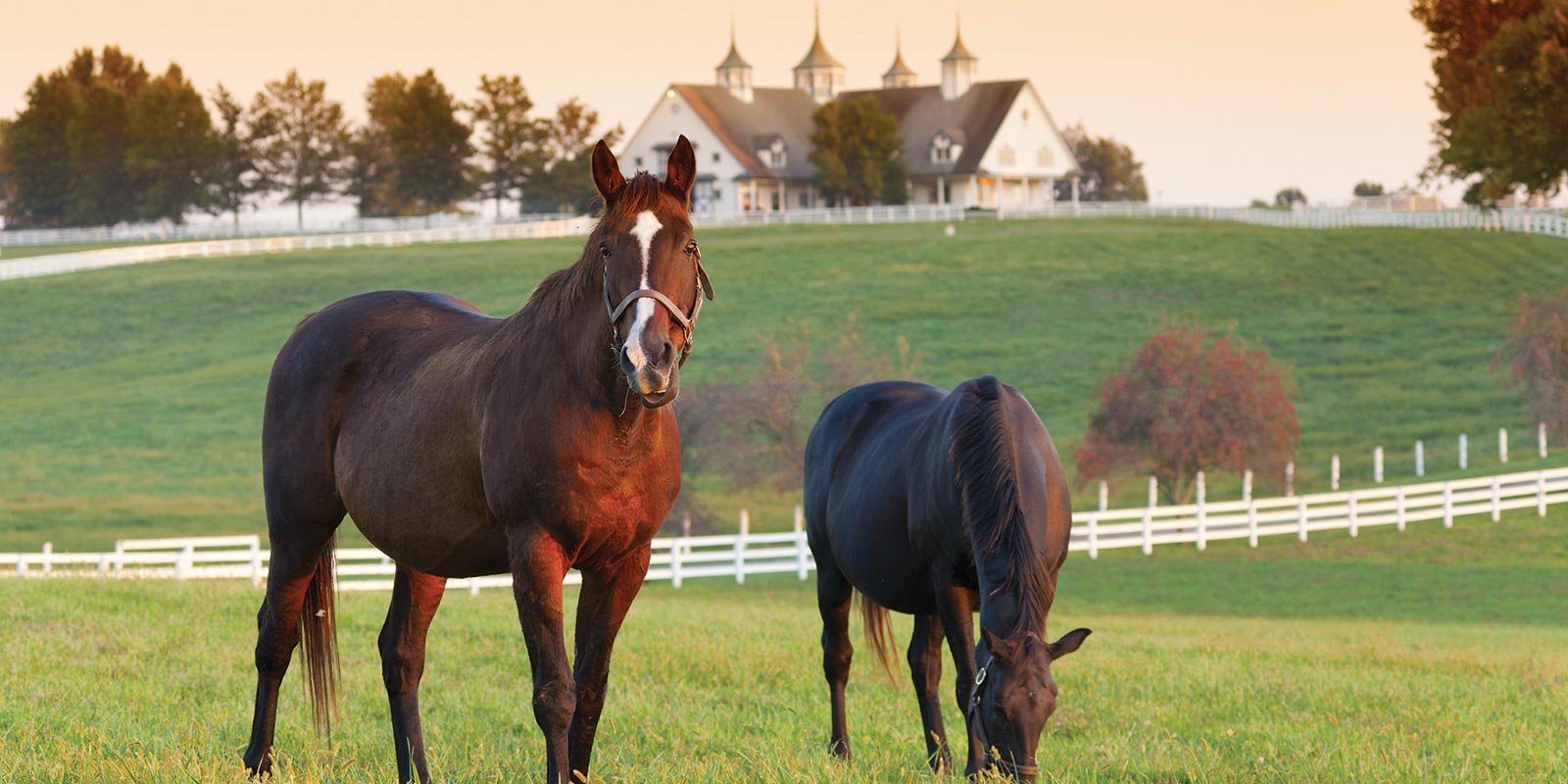
Weatherford Ranch, Acreage & Equestrian Real Estate
Fort Worth is one of the most recognized equestrian hubs in the country. Drive twenty minutes west and that reputation turns into acreage, barns, and working ranches. I sell both sides of that line, so I get asked constantly where one stops and the other starts.
Here’s the short answer: inside Fort Worth proper, you’re shopping lot size in fractions of an acre. Cross into Parker County, out toward Weatherford, Aledo, and Granbury, and the whole conversation changes. Now it’s fencing, water rights, and barn condition. Different buyer, different checklist, and honestly a different job for me as the broker.
This guide covers what I actually show clients out here, the gated equestrian subdivisions closest to town, the working ranch listings near Lake Granbury, and the handful of things I tell every buyer to check before they get attached to a piece of land. None of it is generic. It’s pulled from deals I’ve closed in this exact market.
Why Weatherford and Parker County, specifically
Weatherford sits roughly 20 to 30 minutes west of downtown Fort Worth. Close enough that commuting isn’t a dealbreaker, far enough that the zoning and lot sizes look nothing like anything inside Loop 820. Most of the rural parcels out here carry no HOA and no city taxes, which sounds like a small thing until you put an actual tax bill next to an in-town equivalent.
The horse-capital reputation isn’t marketing copy, either. NCHA cutting, NRHA reining, barrel racing, all of it runs through facilities a short drive from here, and it shows in the barns. These aren’t retrofitted garages with a stall bolted on. They’re built for horses from the ground up.
Gated equestrian communities near Fort Worth
Some buyers want acreage and real horse facilities but aren’t ready to go fully rural. A few gated subdivisions split that difference well.
CattleBaron Parc
West side, between Lake Worth and Weatherford, 20 to 30 minutes from downtown. Gated, with a private clubhouse, pool, and outdoor sports courts, plus open country and neighbors who ride. You get the amenities without giving up the rural feel.
Covered Bridge Canyon
Right next to CattleBaron Parc. Smaller and quieter, closer to an equestrian-only enclave than an amenity-driven community. Less clubhouse, more land.
Creeks of Aledo
Southwest of Fort Worth, west of Benbrook Lake. Lots here typically run 15-plus acres, and turn-key equestrian setups are common. I’ve sold homes there with a 40×36 insulated barn already built, three metal stalls, a dedicated tack room, hot-water wash pit. That’s not an upgrade you’d add later. It’s what’s already on the ground.
Granbury and Lake Granbury ranch properties
An hour out, Granbury gets you something the closer-in subdivisions can’t: real ranch acreage, often with direct or near-direct access to the lake. I remember a two-parcel listing on Fall Creek Hwy that paired a home, a barn, mature trees, and ponds on land sitting between the shoreline and the Pecan Plantation community. That’s the setup people picture when they say “working ranch,” except you’re not actually cut off from anything, the lakefront social scene and the Stockyards are both still a reasonable drive.
That’s the real pitch for Granbury. Land and quiet, without total isolation. You’re about an hour from downtown Fort Worth, not three.
Owning versus boarding: when a private setup actually makes sense
Most horse owners who’ve boarded for years hit the same wall eventually. You can’t ride on your own schedule, feeding happens on someone else’s timeline, and barn politics get old fast. Costs climb every year. Autonomy doesn’t.
A private equestrian property, especially in a gated community like CattleBaron Parc or Creeks of Aledo, solves that without losing the social piece of boarding. You get your own barn, your own tack and feed storage, wash and exercise space, plus neighbors who ride, who’ll check on your horses when you’re traveling, and who bought out here for the same reason you’re considering it.
What I actually check on an equestrian or ranch property
Four things decide whether a property works for horses, regardless of how good the house looks in photos.
Acreage. Enough for grazing and exercise, with room left over if you ever want an arena, trails, or another storage building.
Water and drainage. A reliable source, well or natural, and drainage that won’t flood a barn or pasture the first time it really rains.
Stabling and fencing. Fencing that’s actually secure, not just intact-looking from the road, and a barn with real ventilation and light, not four walls with a roof thrown on.
Location. Proximity to major roads, other equestrian facilities, schools, groceries. A gorgeous property 45 minutes from the nearest feed store gets old fast, and I’ve watched clients learn that the hard way.
Not looking for acreage? Here’s where to go instead
If horses and land aren’t the goal, if what you actually want is a gated community closer to downtown with golf, a country club, or walkable schools, this isn’t the right guide. See my Fort Worth Luxury & Investment Real Estate guide for Westover Hills, Mira Vista, Rivercrest, and Tanglewood instead.
And if your search is specifically ranch and equestrian relocation, moving to Texas for the land and the lifestyle, talk to Darlene Dale on our team. Start with her Becoming Texans page. She’s lived this life for 25 years before she ever sold it, and that’s a different kind of expertise than mine.
Frequently asked questions
How many acres do you need for a horse?
A common baseline is one to two acres of usable pasture per horse, though that varies with pasture quality, whether you’re supplementing with hay, and how many horses will share the same turnout.
What’s the best area near Fort Worth for horse property?
CattleBaron Parc, Covered Bridge Canyon, and Creeks of Aledo are the closest gated equestrian communities, all 20-30 minutes from downtown. For more acreage and a lower price per acre, Weatherford and the land around Granbury are the better search.
Is Weatherford, Texas a good place to buy ranch land?
Weatherford and greater Parker County combine genuine rural acreage with a short commute into Fort Worth, no HOA or city taxes on most rural parcels, and proximity to major equestrian venues — a combination that’s difficult to find closer to the city.
What should I check before buying an equestrian property?
Acreage relative to how many horses you’ll keep, water supply and drainage, fencing condition, barn ventilation and construction quality, and how far the property sits from major roads and other equestrian facilities.
Is it cheaper to own or board a horse?
Boarding has a lower upfront cost but ongoing monthly fees and less control. Owning acreage requires more capital upfront but removes boarding fees and facility restrictions entirely — over several years, many owners find private property closes the cost gap while giving them full control of their horses’ care.